


Tropical and warm-season pastures are essential for maintaining summer feed supply and groundcover, particularly for northern, central and coastal NSW.
These grasses thrive in warm temperatures and respond well to summer rainfall, making them ideal for pasture renovation, hay production, and grazing systems that need reliable summer growth.
Key traits and benefits
These species are summer-active and well adapted to lighter, acidic or low-fertility soils. Once established, they tolerate dry conditions and compete effectively with weeds. They have many benefits including:
- providing bulk feed during summer when cool-season pastures slow down
- improving soil structure and suppress annual weeds
- being used in long-term pasture systems or cut for hay
- being sown with legumes to improve nitrogen cycling and feed quality.
Common species and notes
| Species | Type | Description |
|---|---|---|
| Kikuyu grass | Perennial | High-yielding summer grass suited to coastal and temperate NSW. Tolerates frost and salt, spreads via stolons, and can be oversown with ryegrass. Used for grazing and silage. |
| Rhodes grass | Perennial | Fast to establish, drought-tolerant, spreads by runners. |
| Setaria | Perennial | Suited to acidic soils, produces good bulk, moderate palatability. |
| Paspalum | Perennial | Tolerates wet areas, responds well to summer rainfall. |
| Digit grass | Perennial | Competitive once established, suppresses heliotrope. |
| Bambatsi panic | Perennial | Suited to heavier soils, provides strong summer growth. |
| Couch grass | Perennial | Low-growing, useful for erosion control and groundcover. |
| Consol lovegrass | Perennial | Hardy and persistent, often used in mixed pasture systems. |
Establishment and management tips
Tropical grasses are slower to establish than temperate species and require protection during early growth stages. Weed control and moisture conservation are critical for success.
- Suppress annual summer grasses for 2–3 years before sowing.
- Sow when soil temperatures reach 16°C and rising, typically after opening summer rains.
- Use fallow or retained stubble to conserve soil moisture and suppress weeds.
- Prepare a clean, firm seedbed with good seed-to-soil contact.
- Delay grazing until plants are well anchored and root systems are established.
- Avoid sowing in mid-summer due to competition from summer weeds like crowsfoot.
- Monitor soil fertility and grazing pressure to maintain pasture quality.
Establishing Kikuyu pastures
Learn more about how to establish this tropical warm season grass and use it your pasture management.
Establishment and management of tropical pastures - Suzanne Boschma
Sean Murphy - Legumes in tropical pastures: are they a help or a hindrance?
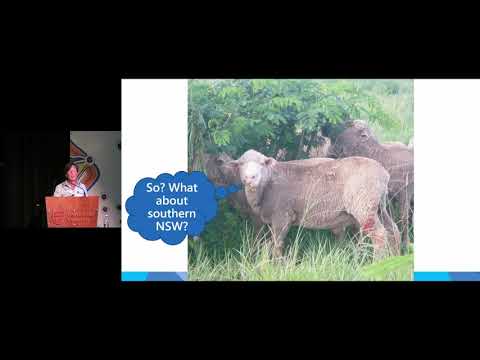
Tropical grasses for southern environments – Sue Boschma (DPI) | Riverina Pastures Research Update
Suzanne Boschma (NSW Department of Primary Industries) gives us an overview of tropical grass research presently being led out of Tamworth, and opportunities to use these species in the Riverina, including initial results from ongoing trials at Wagga,
Other considerations
These pastures are ideal for summer grazing, pasture renovation, and hay production. Once established, they compete well with weeds and provide reliable feed.
- Consider sowing with legumes such as cowpeas or lablab to improve feed quality and soil fertility.
- Rotational grazing and regular monitoring will help maintain pasture condition and longevity.
Grazing management
Learn more about set stocking, rotational grazing, or tactical cell grazing to balance pasture recovery with animal performance.
Contact Local Land Services NSW
Our team welcome your enquiries, feedback and comments. Contact our team
Our website is in the final stages of migrating to nsw.gov.au.
Use the search function to find the information or resources you need.